Skip to content
In today’s world, where environmental sustainability and efficient water management have become crucial, rainwater harvesting presents an ideal solution. One of the most popular options for water storage is the poly rainwater tank. These tanks are widely used across various sectors, including residential properties, farms, and businesses, for capturing and storing rainwater. Polyethylene (poly) water tanks are an affordable, durable, and environmentally friendly solution for reducing reliance on mains water, promoting eco-friendly practices, and ensuring a steady water supply.
In this blog, we’ll explore the different types of poly water tanks, their benefits, and how they cater to various needs, whether it’s for a home, farm, or business. We’ll also compare poly tanks with other types of water storage tanks and discuss why they’re a preferred choice for many.
What is a Poly Rainwater Tank?
A poly rainwater tank is a water storage container made from polyethylene, a lightweight, strong plastic material. Poly tanks are designed to collect and store rainwater, which can be used for a wide variety of purposes, including watering gardens, flushing toilets, irrigating crops, and even as a backup water supply for businesses.
Poly tanks are available in various sizes, shapes, and designs to suit different applications and space requirements. They are lightweight and easy to install, making them a convenient option for many property owners, especially in urban and residential settings where space may be limited.
Applications of Poly Water Tanks
1. Household Solutions
For homeowners looking to reduce water consumption and lower their utility bills, poly rainwater tanks provide an excellent solution. With slimline designs available, these tanks are perfect for residential properties with limited space. Poly tanks can be used for collecting rainwater that is then stored and used for a variety of household needs, such as:
- Gardening: Poly tanks provide an eco-friendly water source for lawns, gardens, and plants, reducing the reliance on mains water for irrigation.
- Laundry: Using rainwater for washing clothes can save a significant amount of water, especially in areas where water conservation is a priority.
- Toilet Flushing: Poly tanks can store water for non-potable uses such as flushing toilets, which can significantly reduce mains water consumption in the home.
In areas where droughts are common, or where water scarcity is an issue, poly rainwater tanks provide a sustainable and cost-effective solution for supplementing mains water usage.
2. Agricultural Solutions
For farms and agricultural operations, poly water tanks are an essential component of water management systems. Large poly tanks can store vast amounts of rainwater, ensuring a continuous water supply during dry periods. These tanks are crucial for:
- Watering Crops: Poly tanks provide an efficient and sustainable way to irrigate crops without relying on local water systems, which may be unreliable during periods of drought or dry weather.
- Livestock Watering: Farmers can use poly tanks to store clean, fresh water for livestock, ensuring they always have access to potable water.
- Irrigation Systems: Poly tanks can be integrated into larger irrigation systems, providing a reliable water source for farm-wide watering needs.
Polyethylene tanks offer the benefit of being resistant to cracking, rust, and corrosion, making them ideal for the harsh conditions of agricultural environments. Their durability ensures they can withstand the elements while keeping stored water safe and clean.
3. Commercial and Industrial Solutions
Poly water tanks are also widely used in commercial and industrial applications for stormwater management, on-site water storage, and even in production processes. Businesses can rely on poly tanks for:
- Stormwater Management: Large poly tanks can store excess rainwater from roofs and parking lots, preventing runoff and reducing the strain on local drainage systems.
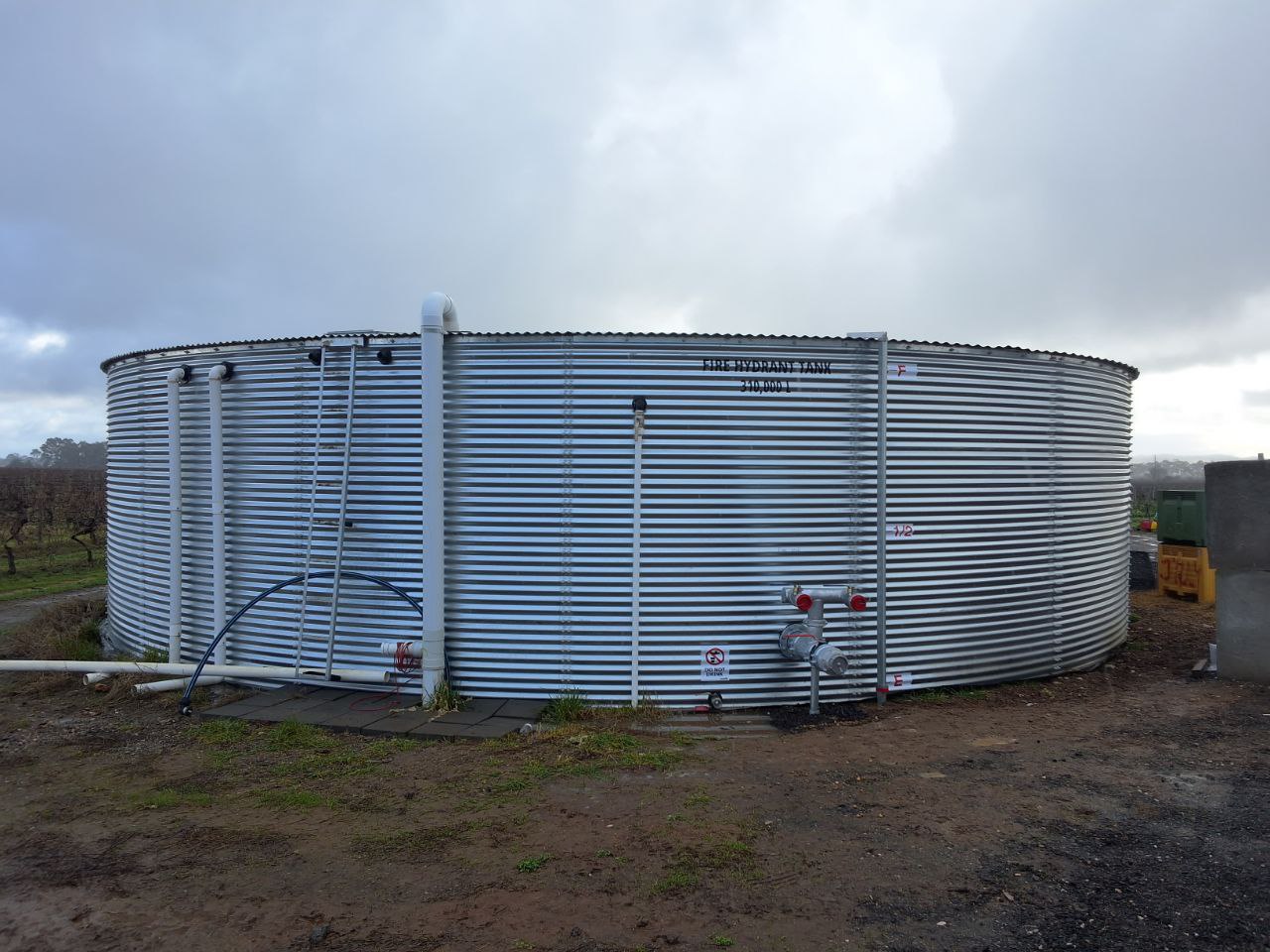
- On-Site Water Storage: Poly tanks are often used to store water for firefighting purposes or to provide an alternative water source during outages or high-demand periods.
- Production Processes: Businesses in industries like manufacturing, food processing, and construction can use poly tanks to store water for use in their production processes, cleaning operations, or cooling systems.
The versatility and customizability of poly tanks make them ideal for a wide range of commercial and industrial applications.
Advantages of Poly Water Tanks
Poly water tanks offer a variety of benefits, making them a popular choice for rainwater storage. Here are some key advantages:
1. Seamless Construction
Poly tanks are typically made from a single piece of polyethylene, which means there are no seams or joints where water could leak. This reduces the risk of leaks and ensures the tank remains fully functional and watertight over its lifetime. The seamless design also contributes to the tank’s strength and durability.
2. Impact-Resistant
Polyethylene is a strong material that can withstand impacts without denting or cracking. This makes poly tanks a more resilient option compared to steel or concrete tanks, which are prone to damage under certain conditions. Whether exposed to high winds or accidental impacts, poly tanks are less likely to suffer from structural damage.
3. Corrosion-Resistant
Poly water tanks are highly resistant to corrosion, making them ideal for storing water in coastal areas or environments with high salt content. Unlike steel tanks, which can rust over time, or concrete tanks, which can crack and deteriorate, poly tanks maintain their integrity and performance for many years, even in harsh conditions.
4. Lightweight and Easy to Install
One of the biggest advantages of poly tanks is their lightweight nature, which makes them easier to transport and install. Unlike heavy concrete or steel tanks, poly tanks can be installed quickly and with minimal effort, reducing installation costs and the time it takes to set up the system.
5. Environmentally Friendly
Poly water tanks contribute to sustainable water practices by capturing and storing rainwater that would otherwise go to waste. This reduces dependence on mains water, lowers utility bills, and supports eco-friendly initiatives. Furthermore, polyethylene is a recyclable material, adding an additional layer of environmental benefit.
6. Cost-Effective
Poly tanks are generally more affordable than steel or concrete tanks, both in terms of initial cost and long-term maintenance. They don’t require expensive treatments or repairs and can be easily cleaned and maintained, making them an economical option for residential, agricultural, and industrial use.
Poly Tanks vs. Steel and Concrete Tanks
When comparing poly tanks to other types of rainwater tanks, such as steel and concrete tanks, it’s important to consider the advantages and disadvantages of each material:
Poly Tanks:
- Advantages: Lightweight, impact-resistant, corrosion-resistant, easy to install, seamless construction.
- Disadvantages: May not have the same aesthetic appeal as steel tanks for certain applications.
Steel Tanks:
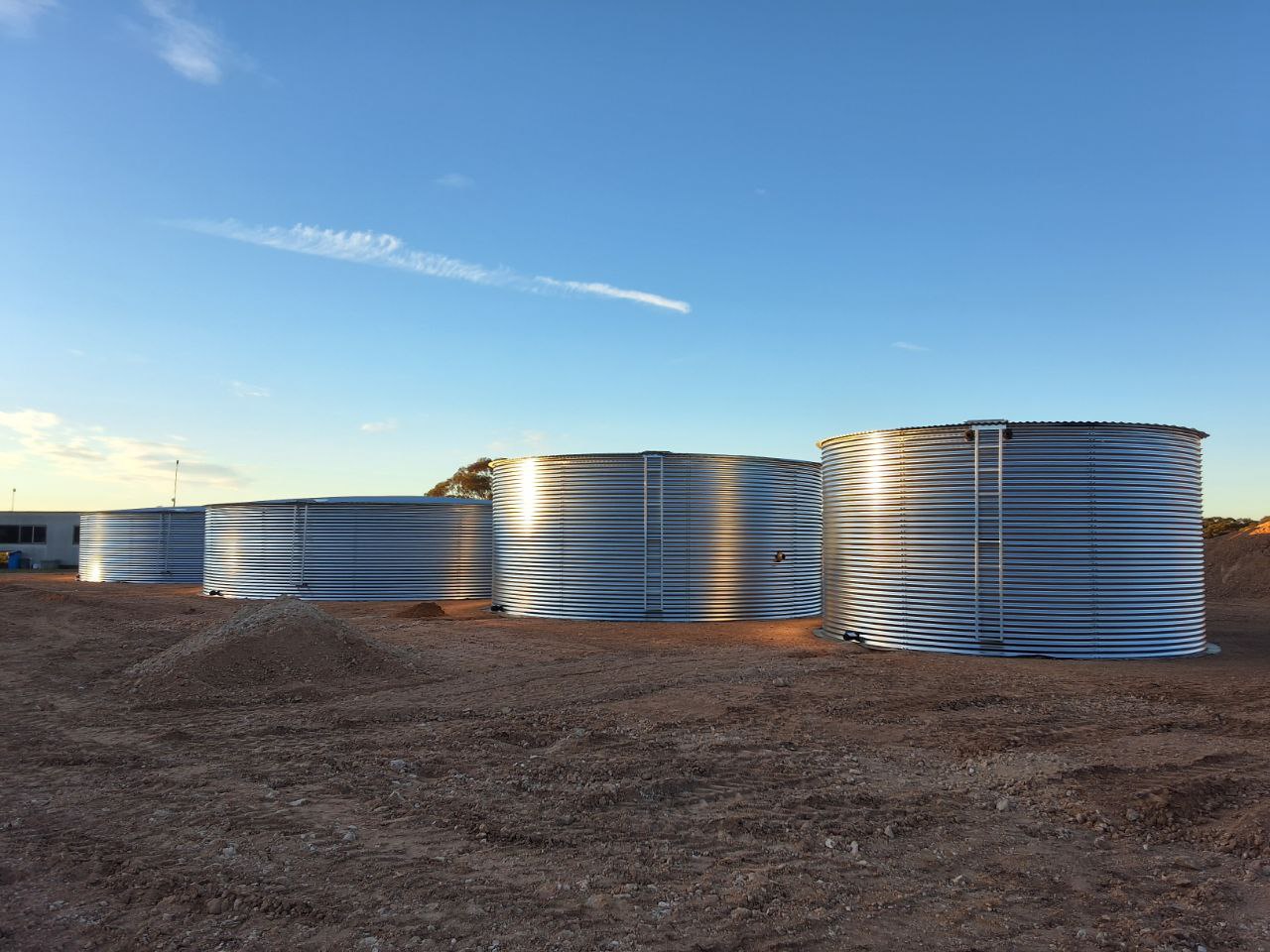
- Advantages: Strong, durable, and suitable for applications requiring fire protection. Steel tanks can also be customized with various fittings for specific needs.
- Disadvantages: Prone to rusting, heavier than poly tanks, and generally more expensive.
Concrete Tanks:
- Advantages: Extremely durable, ideal for large storage capacities, and can be made to fit specific requirements.
- Disadvantages: Heavy, expensive, and prone to cracking over time.
Why Choose KC Resources for Poly Water Tanks?
At KC Resources, we offer a wide range of high-quality poly water tanks designed for various applications, from residential to agricultural and commercial needs. Here’s why you should choose us for your poly water tank installation:
- Expertise and Experience: With years of experience in rainwater harvesting and water storage solutions, we understand the unique needs of our clients and provide tailored solutions that meet your specific requirements.
- High-Quality Products: We only offer top-quality poly water tanks that are built to last and designed to withstand the harsh Australian climate.
- Comprehensive Service: From consultation and tank selection to installation and maintenance, we provide a seamless, hassle-free experience for all our clients.
- Custom Solutions: Whether you need a small tank for your home or a large tank for your farm or business, we offer custom solutions that fit your space and water needs.
- Customer-Centric Approach: We prioritize customer satisfaction with transparent pricing, reliable service, and expert advice.
Conclusion
Poly water tanks provide an efficient, sustainable, and cost-effective solution for storing rainwater and reducing reliance on mains water. Whether you’re looking for a slimline tank for your home, a large storage solution for your farm, or a versatile tank for commercial use, poly tanks offer a range of benefits that make them a smart choice for any water storage need. With their durability, ease of installation, and environmental advantages, poly water tanks are the perfect addition to any property seeking to embrace sustainable water practices.